We live in a time when everything is becoming increasingly technical. Faster. More efficient. More specialized.
We learn about the nervous system, hormones, trauma, frequencies, energy, biochemistry, behavioral psychology, and thousands of other concepts. We have access to more information than ever before. And yet, paradoxically, we are beginning to forget something extremely simple. Something the human body has known for thousands of years.
Touch.
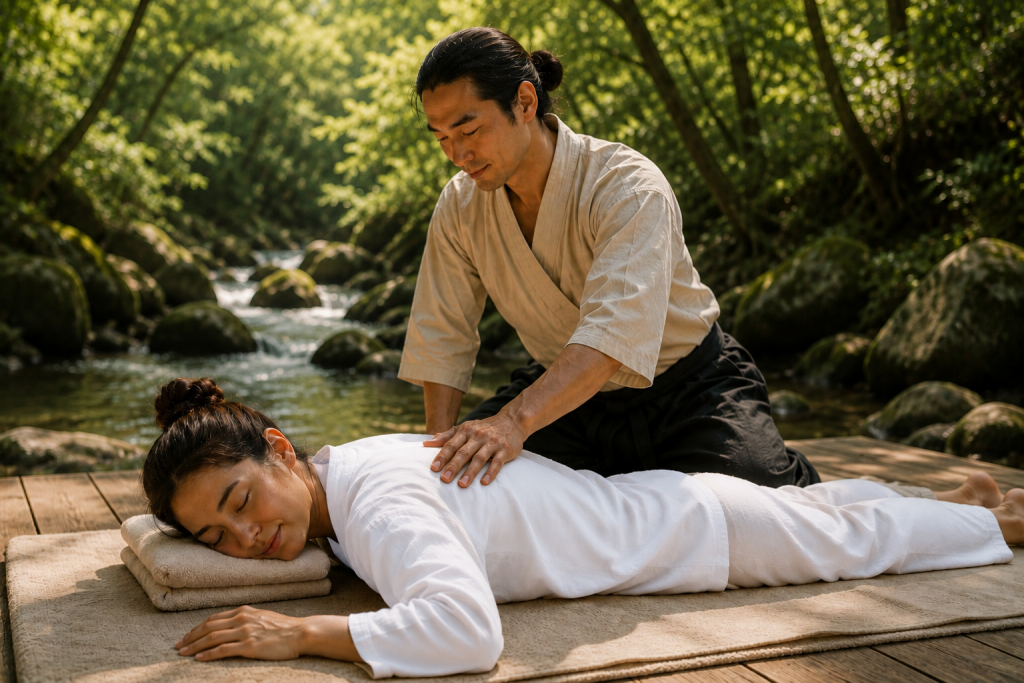
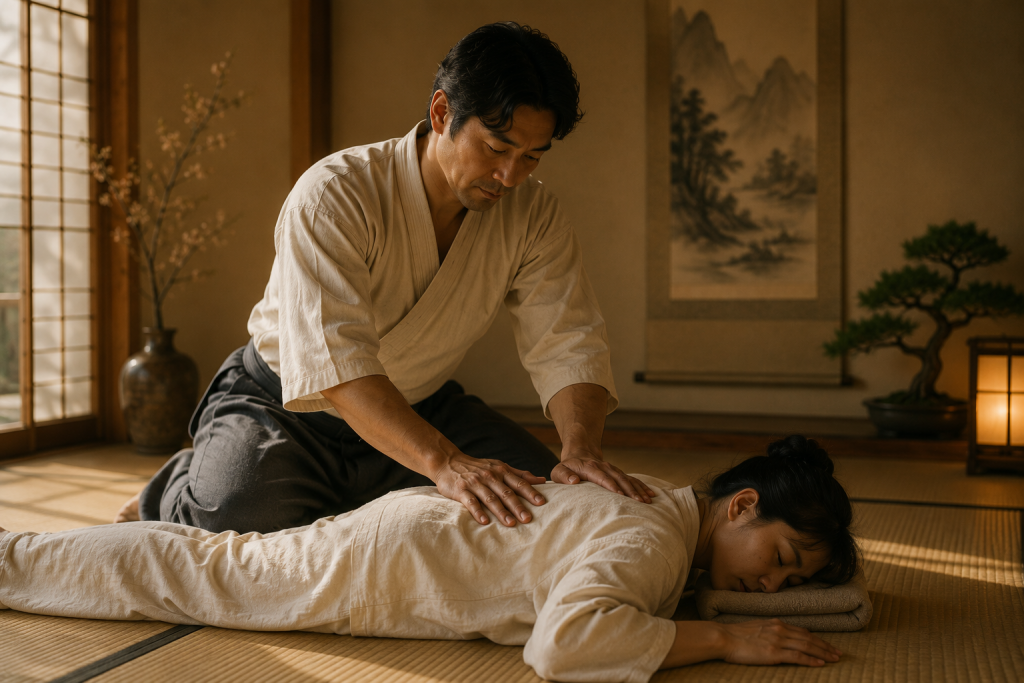
Not necessarily therapeutic touch. Not a special technique, not an energetic ritual, and not a sophisticated method. Simply human contact.
A hand gently placed on a shoulder, a sincere hug, a hand held for a few extra seconds, or simply the calm physical presence of another person.
For many people, such gestures have become rare. Sometimes even uncomfortable. Although modern people communicate more than ever before, simple and natural human contact is becoming increasingly rare. And yet, the body continues to respond to it in a profound way. Not because there is something magical about it, but because the human nervous system was built to respond to contact.
The body understands touch before the mind
The skin is not just a covering. It is one of the most complex sensory organs in the body.
Within the skin, millions of receptors detect pressure, temperature, vibration, and subtle movement. Some of these nerve fibers are specifically specialized for slow, gentle touch associated with safety and human connection.
When someone touches us calmly and naturally, the brain does not simply interpret a physical contact. It begins to evaluate the context:
“Am I safe?”
“Am I alone?”
“Do I need to protect myself?”
“Can I relax?”
And if the answer becomes “yes, you are safe,” the body begins to change.
What happens in the body?
A simple touch can influence multiple physiological responses:
All of these effects have been observed in numerous studies on human contact, affective touch, and neurophysiological regulation.
One of the substances frequently discussed in this context is oxytocin, sometimes simply called the “connection hormone.” It may be released in situations involving trust, closeness, and safe human contact.
But the story is not only about hormones. Perhaps even more important is the fact that the body begins to leave its constant state of defense.
Many people live in a state of constant tension without realizing it
The modern body is overstimulated almost continuously. Noise, screens, worries, social pressure, lack of sleep, and an overload of information.
For the body, all of this can mean one thing:
“Stay ready.”
The problem is that when this state lasts for months or years, the body begins to perceive tension as normal. People stop noticing how tense they are, how shallowly they breathe, or that they are living in a constant state of readiness.
And sometimes, a simple human touch can interrupt that state for a few moments. Not through force. Not through explanations. But through a very old message that the body instinctively understands:
“You are not alone.”
“You do not need to defend yourself right now.”
Why do some people cry without understanding why?
There are situations in which a person begins to cry after a simple hug or after a few minutes of calm physical contact.
Not because the touch has “released energy.” And not because there is necessarily anything mystical involved.
Sometimes the explanation is much simpler. When the body no longer feels the need to remain constantly on guard, emotions that have been held under control for a long time may begin to surface. The nervous system is no longer spending all of its resources on protection and control.
A release occurs. Sometimes through tears, other times through a deep sigh, a slight tremor, a sensation of warmth, drowsiness, or simply an unusual feeling of calm. All of these can have perfectly normal neurophysiological explanations.
Touch does not automatically mean therapy
An important distinction must be made here. Not every touch heals. Not every contact is beneficial.
Context matters enormously.
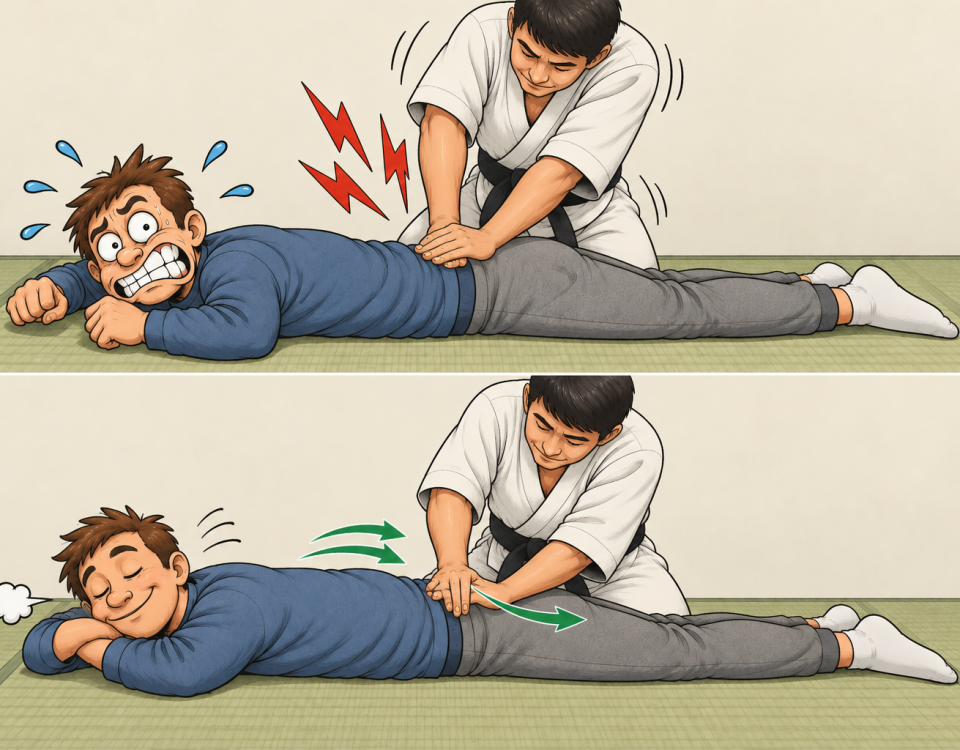
A touch perceived as invasive, forced, or unsafe can produce exactly the opposite effect: tension, defensiveness, and withdrawal. But when contact is natural, calm, accepted, and free of pressure, the body can respond in surprisingly profound ways.
Sometimes people do not immediately need complex explanations. They need to feel seen. They need to feel that someone is genuinely present with them. They need the opportunity to step out of their constant state of alertness, even if only for a few moments.
Perhaps that is why touch remains so important
Before words, human beings knew contact.
A child may not understand language, but understands the arms that hold them. A frightened person may not believe explanations, but may feel reassured by a hand resting calmly on their shoulder. A patient may forget many of the things said during a therapy session, but often remembers how they felt.
Perhaps, sometimes, the body needs less than we think. Not always complicated techniques. Not always sophisticated theories. But something simple, human, and profoundly natural.
Touch.
Personally, after many years of working directly with people, I have come to believe that sometimes the body needs less than we try to offer it.
That hand that does not rush to move away. A few moments of silence. Presence. Simple contact. I have observed this countless times in practice. I have experimented. I have watched people’s reactions.
And it works.
Sometimes, that quiet moment at the end seems to help the body understand that it can finally let go of its tension. It may seem too simple. But simple things are often the things the body has never forgotten.
Try it.