If human evolution were measured only by intelligence and technology, we could probably say that we have come a very long way.
We learned to walk upright, build cities, explore oceans, and send probes into space. With each generation, we accumulated more knowledge and developed increasingly sophisticated tools to understand the world around us.
Yet there is another form of evolution, less visible and much harder to measure: the ability to use our knowledge to help others.
Humanity did not survive because every individual was the strongest. It survived because people learned to live together, share knowledge, organize themselves, and support those around them. The ability to help others has probably been just as important as intelligence or physical strength.
Perhaps this is one of the most valuable forms of development: transforming personal experience into support for others. The knowledge accumulated throughout a lifetime gains its true value when it is shared and used for the benefit of others. Teachers pass their knowledge on to students, doctors use their training to care for patients, parents guide their children, and friends offer support during difficult times. At the heart of all these actions lies the same simple idea: what we know becomes truly meaningful when it is placed in the service of others.
This principle is also reflected in manual therapy.
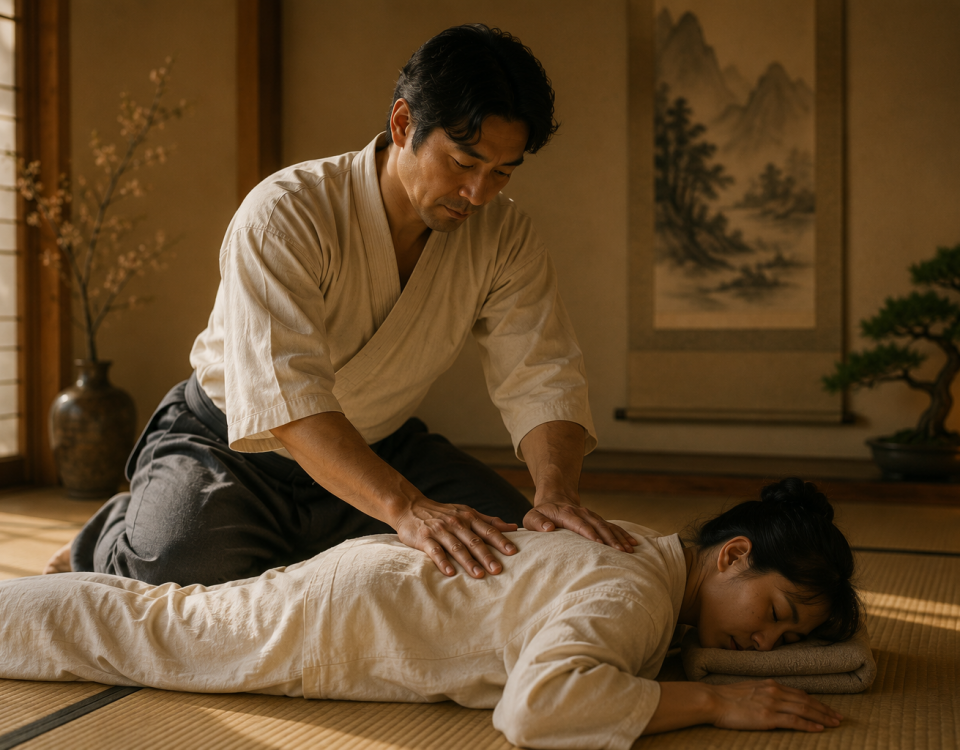
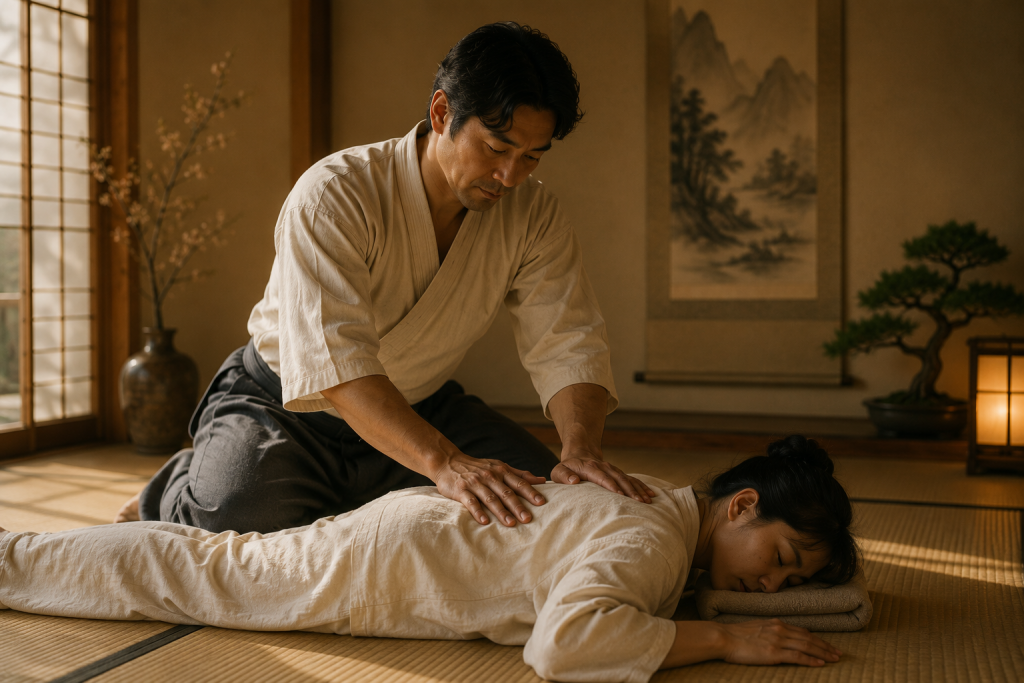
Beyond techniques, procedures, and theories, the essence of manual therapy is the relationship between two people. One seeks help, while the other strives to offer support and guidance through knowledge and experience.
Touch is perhaps one of the oldest forms of help that human beings have offered one another. Long before the emergence of modern medicine, people instinctively tried to relieve pain through contact, support, and simple acts of care. Today, we understand the human body far better. We know anatomy, biomechanics, and physiology, and many of the mechanisms involved in pain and recovery have been studied in detail. Nevertheless, one fundamental human need remains unchanged: the need to be helped when the body no longer functions as it should.
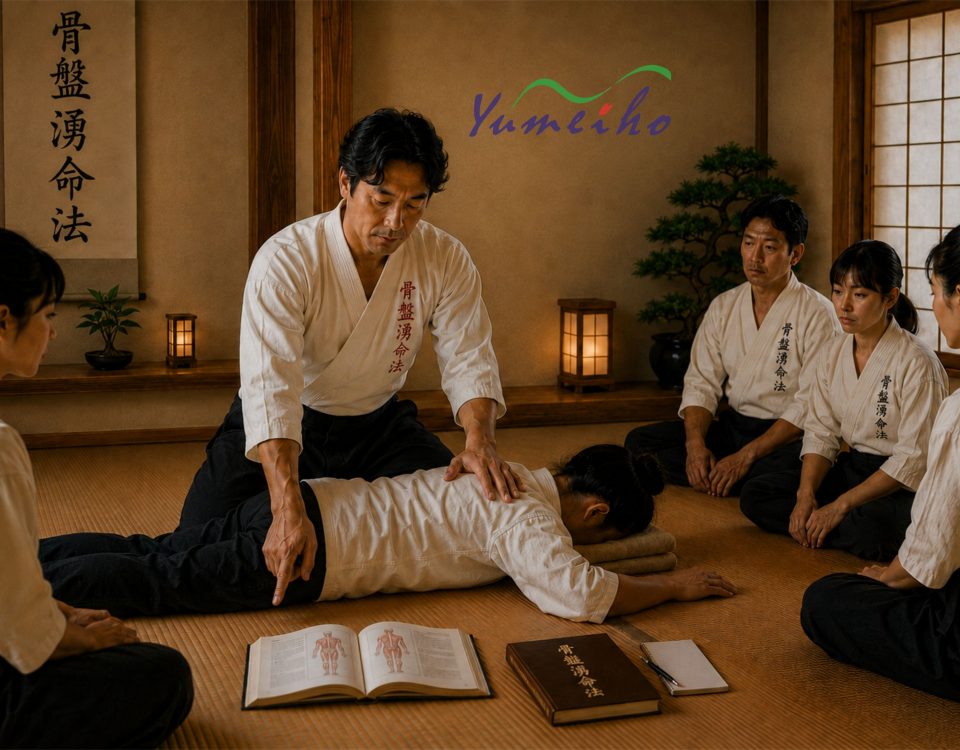
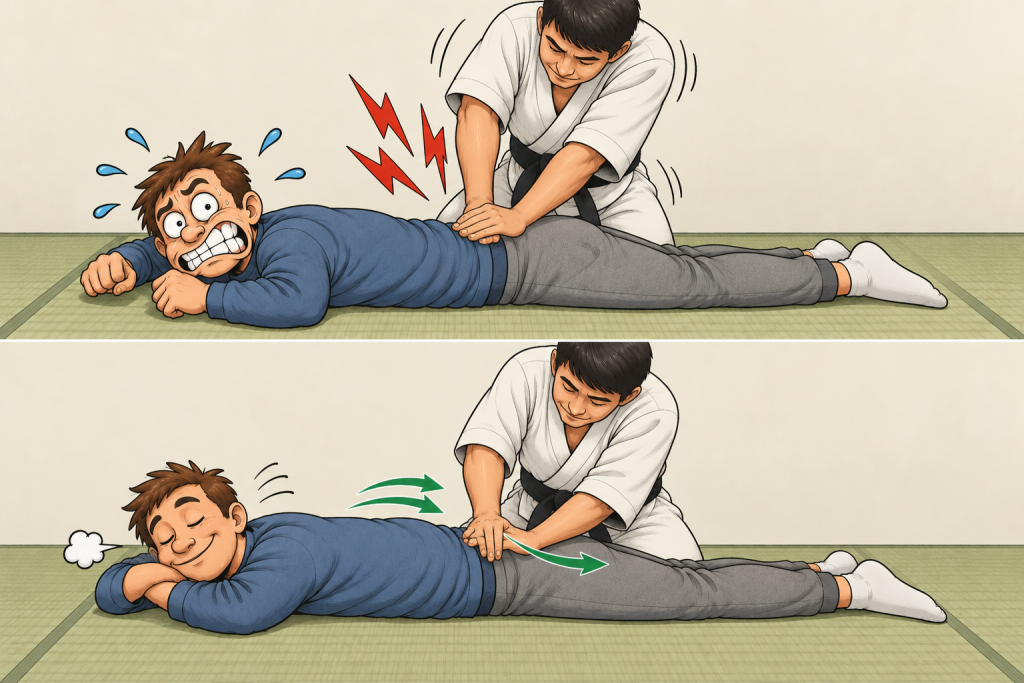
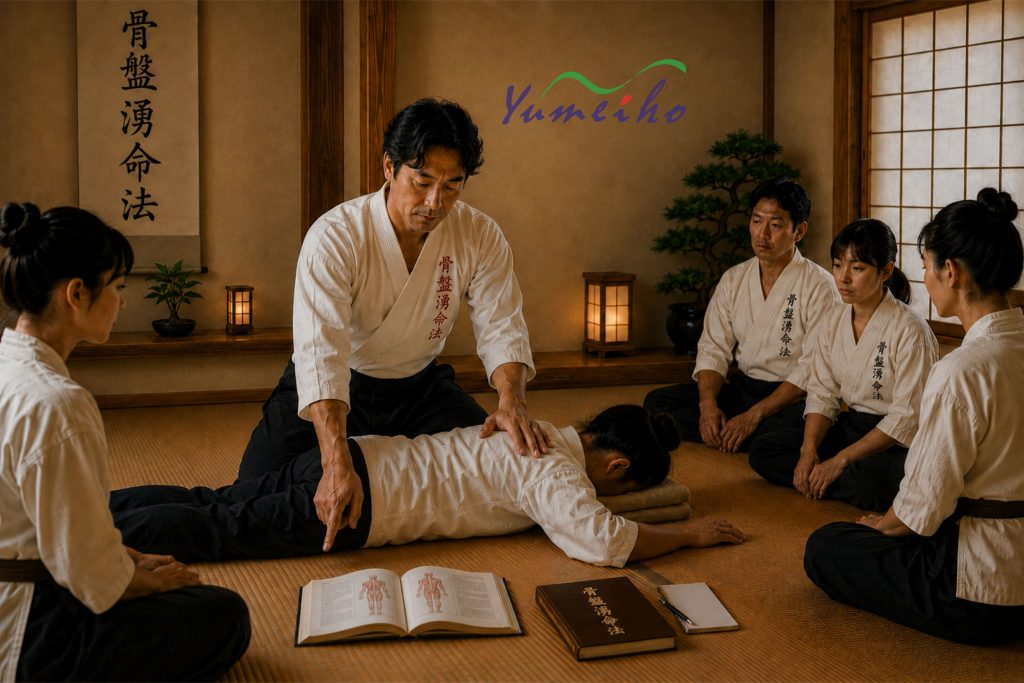
One example of this approach is the Japanese Yumeiho method, a form of manual therapy focused on restoring postural and functional balance within the body.
Developed by the Japanese master Masayuki Saionji, the method aims to improve body balance through a combination of manual techniques, joint mobilizations, and specific exercises. Particular importance is given to the pelvis, which is regarded as a central element in posture and the distribution of forces throughout the body.
Beyond its technical aspects, Yumeiho can be seen as a continuation of a very old idea: that one person can contribute to another person’s well-being through knowledge, skill, and dedication. Every technique learned, every hour of practice, and every experience gained have value only when they are transformed into a real benefit for the person in front of us.
We live in a time of remarkable technological progress. We have access to information on a scale that would have been unimaginable just a few generations ago. We can communicate instantly with people thousands of kilometers away and analyze the human body with extraordinary precision. Yet some things have never lost their value: respect for others, the desire to understand, the willingness to help, and the responsibility we bear toward those who place their trust in us.
Perhaps the true measure of progress is not defined solely by what we know, but by how we choose to use that knowledge. Knowledge matters. Experience matters. Technique matters. But all of these gain meaning only when they are used to bring real benefit to other people.
When knowledge, experience, and genuine care for others are transformed into meaningful help, technique becomes more than just technique. It becomes an act of responsibility, respect, and care for another human being.
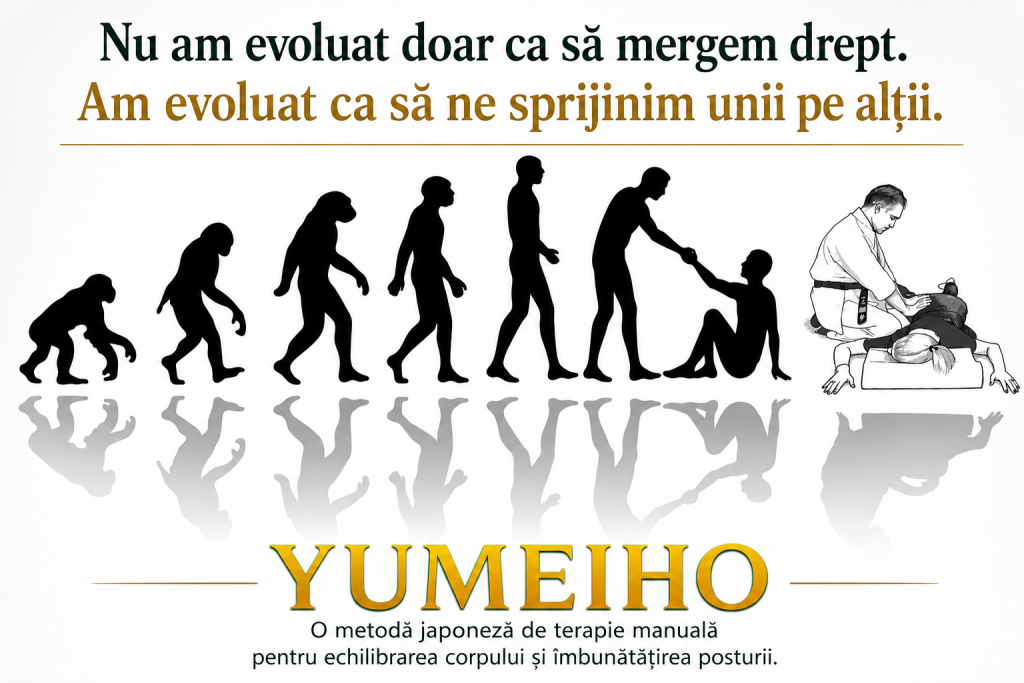
Perhaps true evolution did not begin when humans first stood on two feet. Perhaps the next important step came when they realized they could use what they knew to help the person beside them.
We have learned to build, to discover, and to understand.
But perhaps the true measure of evolution is not how high we have risen, but how many people we can help rise alongside us.