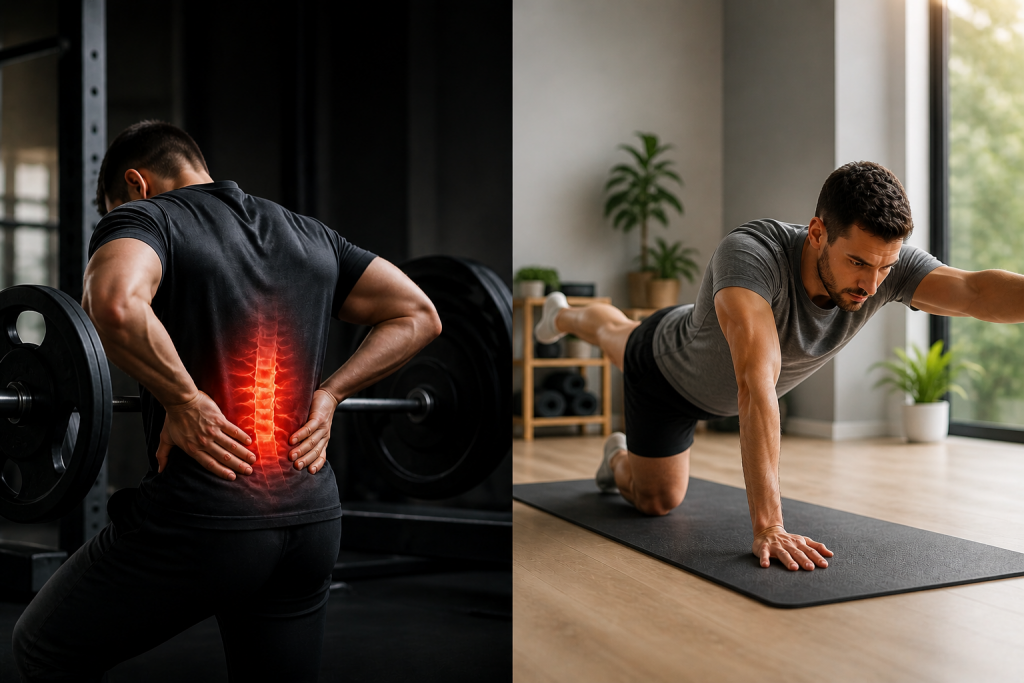
The idea that going to the gym automatically means being healthy is very widespread.
In reality, things are more nuanced. Physical activity is essential for health, but the type of movement, the timing, and the way it is performed can make the difference between recovery and aggravation.
In my practice, I frequently see people who suffer from lower back, neck, or knee pain despite exercising regularly. For many of them, going to the gym is seen as a guarantee of good health. However, things are not always that simple.
The problem is not the gym itself. The problem arises when the exercises being performed do not match the actual needs of the body at that particular moment.
The body does not operate according to the rule of “the more, the better.” It operates according to the principle of adaptation. If the system is already irritated, imbalanced, or undergoing a recovery process, an inappropriate stimulus may maintain or even worsen the problem.
Why Going to the Gym Does Not Automatically Mean Health
There are several common situations in which gym training can become a factor that perpetuates discomfort:
For a healthy and properly assessed individual, the gym can be an excellent tool. For someone undergoing rehabilitation, the same activity may be inappropriate if it is not adapted to their specific condition.
Why “I Feel Better After Training” Is Not Always a Reliable Indicator
Many patients say they feel better after a workout. There is an explanation for that.
During physical effort, the body releases substances that reduce pain perception and create a sense of well-being. At the same time, the muscles become more active, and certain areas may temporarily feel more stable or comfortable.
The problem arises when this temporary improvement is mistaken for healing.
It is not uncommon for symptoms to return a few hours later or the following day, sometimes even more intensely.
There is an important difference between temporarily reducing a symptom and resolving the underlying cause that produced it.
Fitness Training and Rehabilitation Have Different Objectives
Another aspect that is rarely discussed is the difference between the objectives of a fitness instructor and those of a rehabilitation specialist.
In general, fitness instructors are trained to work with healthy individuals who want to improve their physical condition, endurance, mobility, or appearance. Medical rehabilitation, however, is a different field, with different rules and objectives.
Of course, there are highly skilled instructors who understand the limits of their competencies and collaborate effectively with physicians, physiotherapists, and rehabilitation specialists.
When a pathology is already present, things become more complex. It is no longer just about exercising. It is about understanding pain mechanisms, compensatory patterns, functional limitations, and the stages of recovery.
In practice, there is sometimes a tendency to compensate for inadequate rehabilitation with more exercise. If the problem persists, more exercises are added. If progress is slow, the workload is increased. If symptoms do not disappear, it is assumed that the person is simply not working hard enough.
The reality is that the human body does not always function this way.
What appears to be a lack of physical fitness may actually be a coordination problem. What appears to be a lack of flexibility may represent a protective strategy of the nervous system. And what seems to require more training may, in fact, require proper assessment and treatment.
This is why rehabilitation and training should not be confused. They complement each other, but they are not substitutes for one another.
An important point to understand is that movement is not always synonymous with recovery. A person can be highly active while at the same time maintaining or even worsening certain imbalances. Not every exercise is therapeutic, just as not every period of rest is beneficial.
What Does a Patient Actually Need During Recovery?
In rehabilitation, the primary goal is not performance but the restoration of function.
This means:
Very often, the beginning is surprisingly simple. Controlled movements, adapted exercises, and gradual progression.
The body does not always need more. Sometimes it needs better.
The Role of Manual Therapy and a Global Approach
In practice, the problem is not always located where the pain is felt.
Lower back pain may be related to pelvic positioning. A cervical problem may be influenced by thoracic stiffness. Knee pain may be maintained by the way the hip or ankle functions.
If these aspects are not identified and corrected, exercises risk being applied to a system that is already compensating.
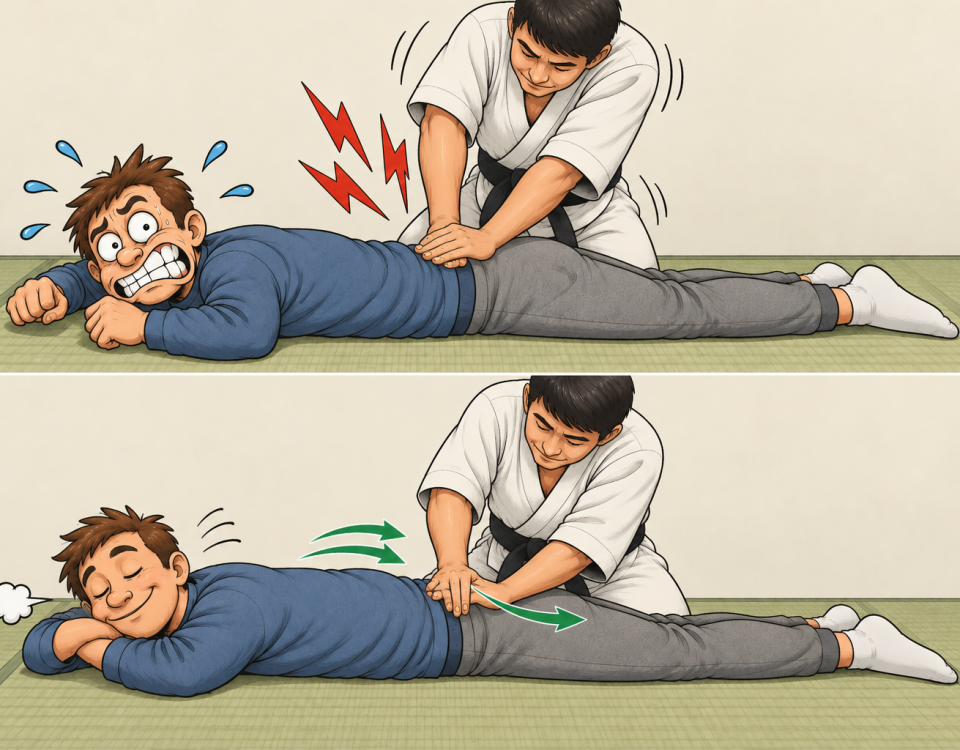
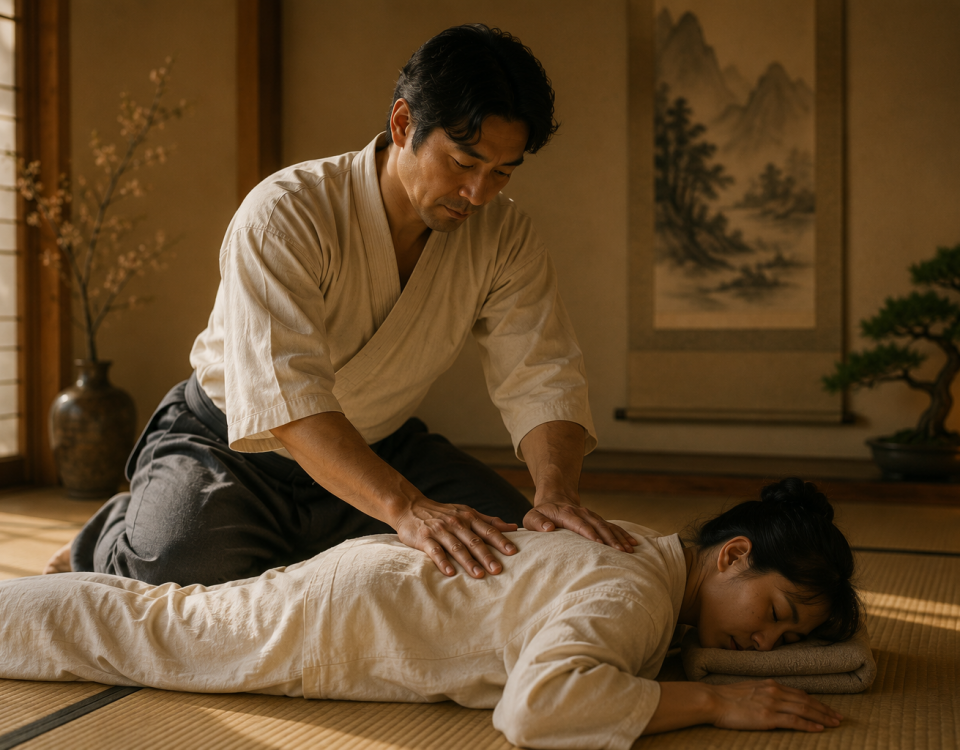
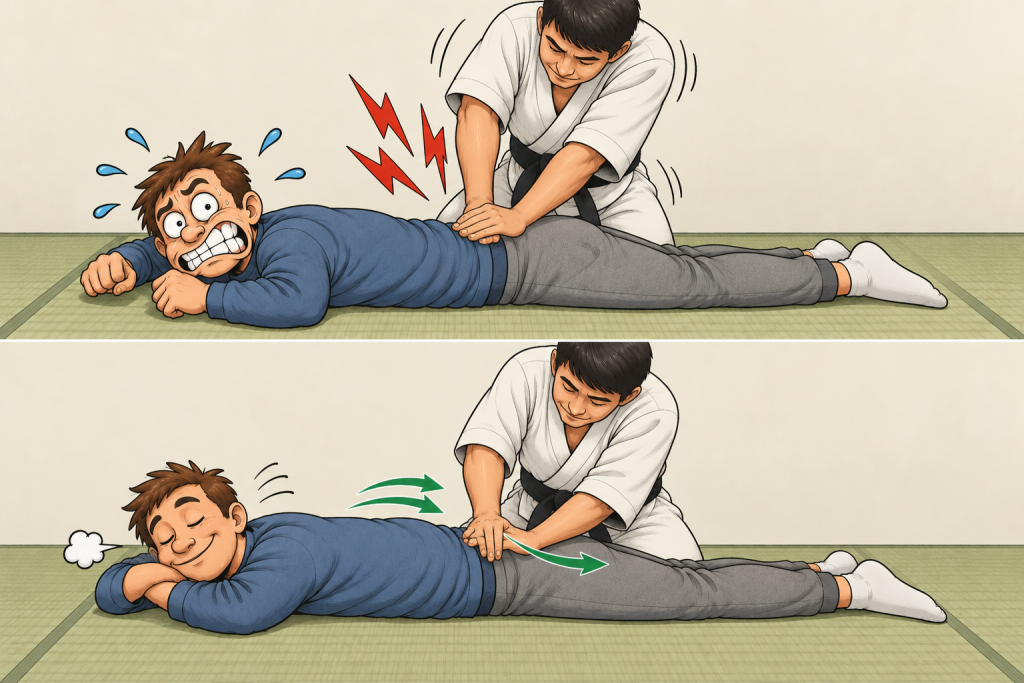
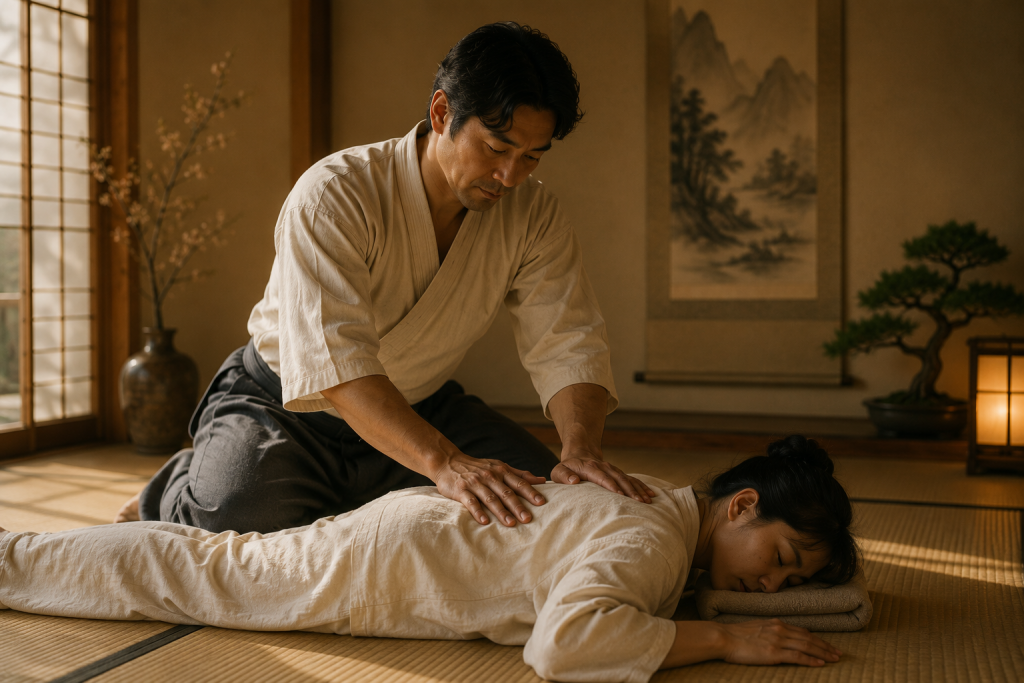
Manual therapy can help prepare the body for movement. It can reduce tension, improve mobility, and help the nervous system leave its protective state.
Under these conditions, exercises become more effective and better tolerated.
When Is the Gym Appropriate?
The gym is not a bad thing. On the contrary, it can be a valuable tool for maintaining health and returning to an active life.
It becomes truly useful when:
At that point, exercise can significantly contribute to consolidating the results achieved through rehabilitation.
Conclusion
Going to the gym does not guarantee health, just as the presence of pain does not automatically mean that all forms of movement should be avoided.
What matters is that physical activity is appropriate for the individual, the moment, and the condition they are dealing with.
Recovery is a process, not a demonstration of ambition or endurance.
The body does not respond to ambition; it responds to adaptation. And there is an important difference between performance and recovery: performance seeks to push limits, while recovery seeks to restore them.
Sometimes progress does not come from doing more, but from doing what is right.