Perhaps a therapist’s authenticity is important.
But an instructor’s authenticity becomes essential.
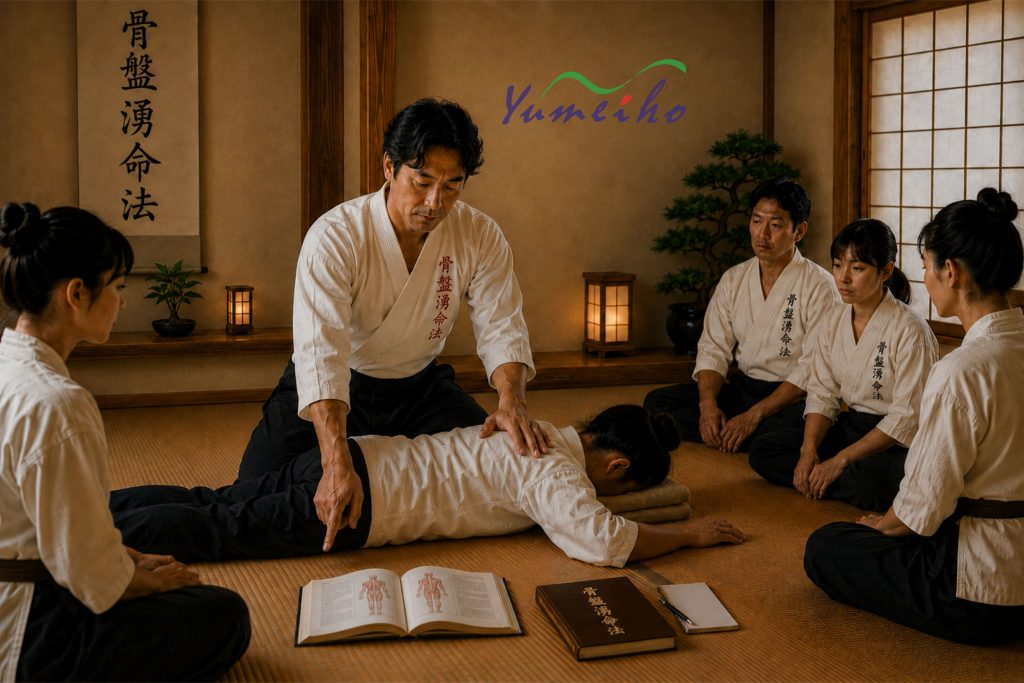
A therapist directly influences patients. An instructor influences generations of therapists. For this reason, their impact extends far beyond the classroom. They do not merely transmit information and techniques. They transmit values, attitudes, ways of thinking, and behavioral models that may continue to spread long after a course has ended.
Many people believe that an instructor’s primary role is to teach techniques. In reality, techniques are only the most visible part of the educational process. Behind them lies something far more important: the way the instructor relates to knowledge, authority, mistakes, success, and people.
Students are constantly observing. They notice how the instructor responds when interrupted or challenged, how they react when they do not know an answer, how they speak about colleagues, how they handle conflicts, how they treat less experienced students, and how they behave toward exceptionally talented ones.
Years later, students may forget many technical details. Yet they often remember very clearly the atmosphere in which they learned. They remember whether they felt respected or intimidated. Whether they were encouraged to think or merely to follow instructions. Whether they were helped to grow or kept in a position of dependence.
One of the greatest challenges for an instructor is their relationship with authority. Authority is necessary. Without it, the educational process becomes chaotic. However, the same authority can become problematic when it begins to be used for control rather than development.
It is natural for any instructor to appreciate the respect, recognition, and trust they receive from their students. The challenge arises when that need becomes more important than the students’ growth. At that point, education risks gradually turning into a relationship of dependency.
An authentic instructor understands that the purpose of education is not to create intellectual dependence, but autonomy. They are not afraid of questions and do not perceive curiosity as a threat. They understand that sincere questions are the sign of a living mind and that genuine dialogue does not weaken a method, but keeps it alive.
Perhaps one of the clearest signs of pedagogical maturity is an instructor’s ability to accept that their students will not become exact copies of them. Some will work more gently, others more technically. Some will explain things differently, while others will develop a different human sensitivity. Some may even surpass their teacher.
A mature instructor does not see this as a threat. On the contrary, they understand that the development of any discipline depends precisely on the emergence of new generations capable of bringing fresh perspectives and continuing what they have received.
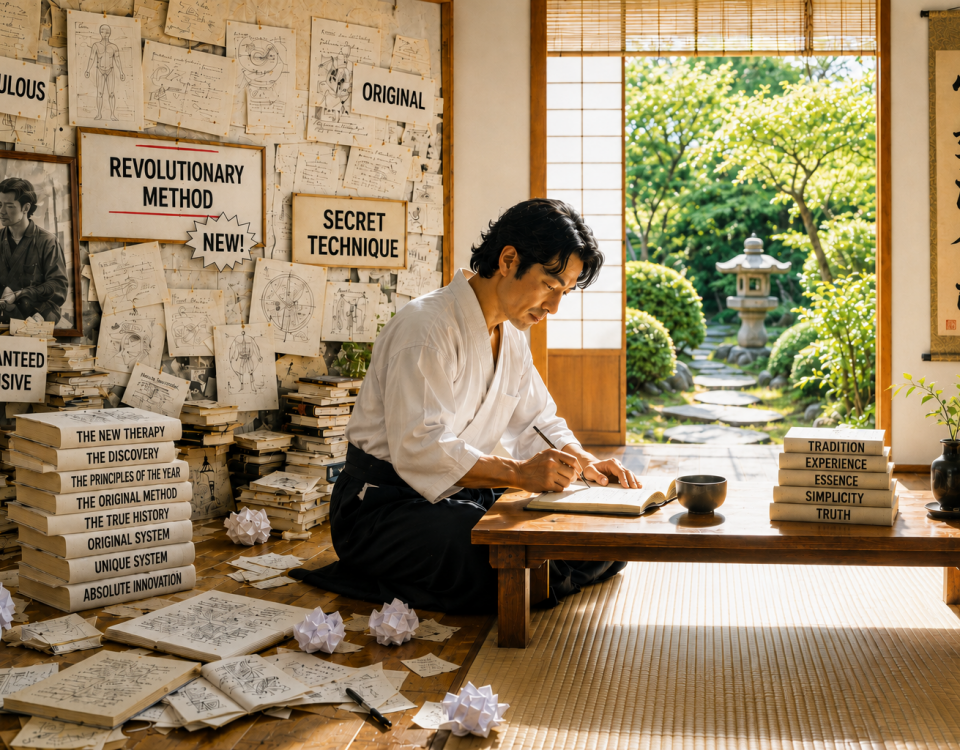
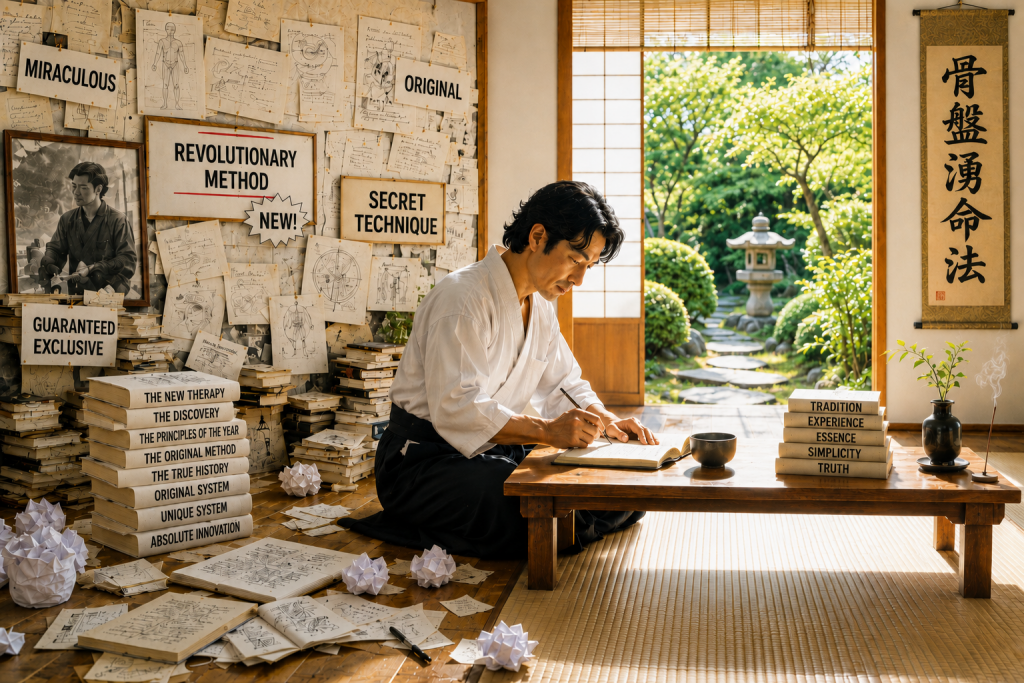
This is also where the issue of originality appears. Many people confuse originality with the constant need to invent something new. They feel compelled to create spectacular concepts, rename existing techniques, or distinguish themselves from others at any cost. Sometimes, this pursuit of originality becomes more important than the clarity and usefulness of the knowledge being transmitted.
True originality, however, does not arise from the desire to appear different. It emerges naturally over time through experience, reflection, and practice. Two instructors may teach the same method, follow the same principles, and transmit the same techniques, yet their styles will still be different. Not because they are trying to be original, but because each filters knowledge through their own life experience.
For this reason, an experienced educator does not feel the need to constantly reinvent what already exists. They understand that the value of an idea is not determined by its novelty, but by the depth with which it is understood and transmitted.
Nearly all forms of teaching are built upon very old principles: observation, imitation, correction, repetition, discipline, and direct experience. For thousands of years, human beings have learned from other human beings. Yet every instructor leaves something unique behind. Not necessarily through never-before-seen techniques, but through the human atmosphere they create around learning.
Some create fear. Others cultivate constant competition. Some generate dependence. Others inspire freedom, courage, and independent thinking.
This leads to an important question: do students think for themselves, or are they being thought for?
There are instructors who teach students what to believe. And there are instructors who teach students how to think. The difference is enormous. The first model creates conformity. The second fosters maturity.
Of course, personal growth does not depend solely on the instructor. The student remains responsible for their own choices, effort, and development. Nevertheless, a good instructor can create the conditions in which such growth becomes possible.
Perhaps the greatest illusion is believing that an instructor’s legacy lies only in their techniques. In reality, their true legacy lies in the people they help shape. In the way those people will treat patients, speak to their own students, handle responsibility, and succeed, or fail, in remaining human.
An instructor may teach a technique flawlessly and still leave behind fear, rigidity, and conformity. Or they may teach imperfectly, yet leave behind people who are alive, mature, and capable of thinking for themselves.
The authenticity of an instructor does not mean appearing infallible. And originality does not mean constantly inventing new things. Authenticity means remaining honest about what one knows and what one does not know. Originality means expressing that knowledge in one’s own way, without mechanically copying others and without seeking differentiation at any cost. It also means using authority responsibly, offering knowledge without demanding dependence, providing direction without suffocating freedom, and leading by example without claiming perfection.
Perhaps the true value of an instructor is not measured by the number of students who constantly validate their ideas, but by the number of people who, thanks to them, have gained the confidence, discernment, and courage to continue walking on their own feet.