In a world where relationships often erode through haste, selfishness, or a lack of empathy, three values remain essential for any form of authentic collaboration: respect, gratitude, and appreciation. These are not mere formal gestures, but profound expressions of human dignity and maturity. They define the quality of our interactions, whether in school, within an organization, or in everyday human relationships.
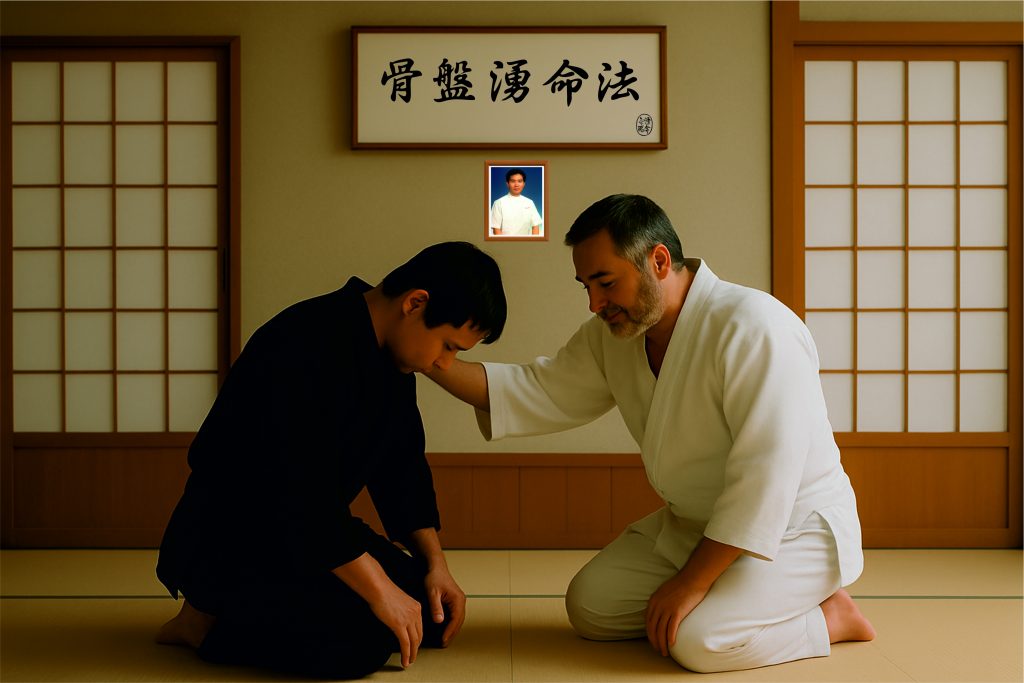
Respect is the attitude through which you recognize another person’s value, dignity, and effort. In the teacher-student relationship or among colleagues, it is not a formality, but the foundation of any genuine process of learning and collaboration.
What respect is:
• recognizing each person’s role (the teacher as a guide, the student as a learner, the colleague as a teammate);
• balanced communication, without irony, sarcasm, or humiliation;
• attention to others’ ideas, emotions, and contributions;
• shared responsibility for the climate of the classroom, group, or workplace.
Respect is not demanded, it is earned. It is not imposed, but shown consistently through behavior.
How it is earned:
For teachers:
• through real competence and clarity in teaching;
• through fairness and consistency in applying rules;
• through calm and self-control, an even tone carries more authority than a raised voice;
• through lucid empathy, understanding without weakness;
• through personal example, punctuality, order, honesty.
For students:
• through seriousness and involvement;
• through active listening and a desire to learn;
• through respecting rules and the teacher’s effort;
• through civilized behavior toward classmates and the learning environment.
For relationships among colleagues:
• through cooperation and mutual help, not destructive competition;
• through acknowledging another’s merits without envy;
• through respecting differences in opinion, pace, and personality;
• through moral and professional support in difficult moments;
• through loyalty and discretion, respect shows most when the other person is not present.
How it is lost:
• through injustice, favoritism, or discrimination;
• through inconsistency (“yes today, no tomorrow”);
• through verbal abuse, arrogance, or lack of preparation;
• through mockery, loss of self-control, or indifference;
• through gossip, lack of fair play, toxic competition, or betrayal of trust.
How it is maintained:
• through open dialogue and honest clarification;
• through recognizing merit, even small merit;
• through constructive feedback, not only criticism;
• through consistency and behavioral balance;
• through mutual trust, each person knows the other will do their part.
Respect can be professional without personal involvement. You can admire someone’s competence without approving their character. In an organization or team, this is the difference between respect for the role and a personal relationship.
Ultimately, respect is a form of mutual education: the teacher offers it first through example, the student returns it through attitude, and colleagues maintain it through fair and dignified collaboration.
To be grateful means to become aware of and value the good received from someone or from a situation. It is not just a formal “thank you,” but an inner attitude of respect and appreciation.
Gratitude involves three steps:
What it implies:
• lucid humility, you accept that you do not achieve everything alone;
• respect for another’s contribution;
• moral responsibility, the desire to pass good forward;
• emotional balance, grateful people tend to be less frustrated and more at peace with reality.
Examples:
• a grateful student respects the teacher, applies what was learned, and speaks respectfully about them;
• a grateful teacher values students’ effort even if they do not reach perfection;
• a grateful employee does not forget the mentor who offered a chance, but does not become emotionally dependent, they simply acknowledge the good;
• among colleagues, gratitude shows through mutual support, giving credit to another’s ideas, and not claiming someone else’s achievements.
Gratitude is the memory of good. It connects generations, repairs distances, and transforms authority into collaboration. In a team, gratitude creates solidarity and loyalty, a sign that people remember who helped them grow.
Appreciation is the recognition of present qualities and effort. It is the concrete form through which respect and gratitude become visible.
You appreciate someone not because they owe you, but because you notice and value what they do well. Appreciation boosts motivation, encourages performance, and creates a climate of trust.
Forms of appreciation:
• through words: sincere, specific, balanced feedback;
• through gestures: respecting time, attention to detail, discreet support;
• through attitude: genuine interest in another person’s effort.
Among colleagues, appreciation means:
• acknowledging another’s competence and ideas without envy;
• offering support and public recognition when it is deserved;
• encouraging and strengthening the team’s morale;
• celebrating success together, without ego.
A lack of appreciation leads to coldness and demotivation, even if formal respect still exists.
Authentic appreciation sustains positive energy and strengthens relationships.
Respect, gratitude, and appreciation are not synonyms, but complementary stages of the same relational maturity:
• Respect is based on value.
• Gratitude is based on received good.
• Appreciation is based on recognized effort.
Respect creates the framework, gratitude adds depth, and appreciation brings life to the relationship. Together, they form a healthy cycle of trust, between teacher and student, colleague and colleague, leader and team.
Conclusion
In an organization, a classroom, or a community, these three values are mechanisms that give dignity to human interaction. They define a team’s culture and each person’s character.
When respect is practiced, gratitude is felt, and appreciation is expressed, a form of moral and professional balance emerges in which people grow, collaborate, and develop without fear.
Respect, Gratitude, Appreciation, these are not just words, but pillars that support any authentic relationship: between teacher and student, between colleagues, between mentors and disciples.
They turn authority into trust, obligation into cooperation, and work into a dignified human relationship.