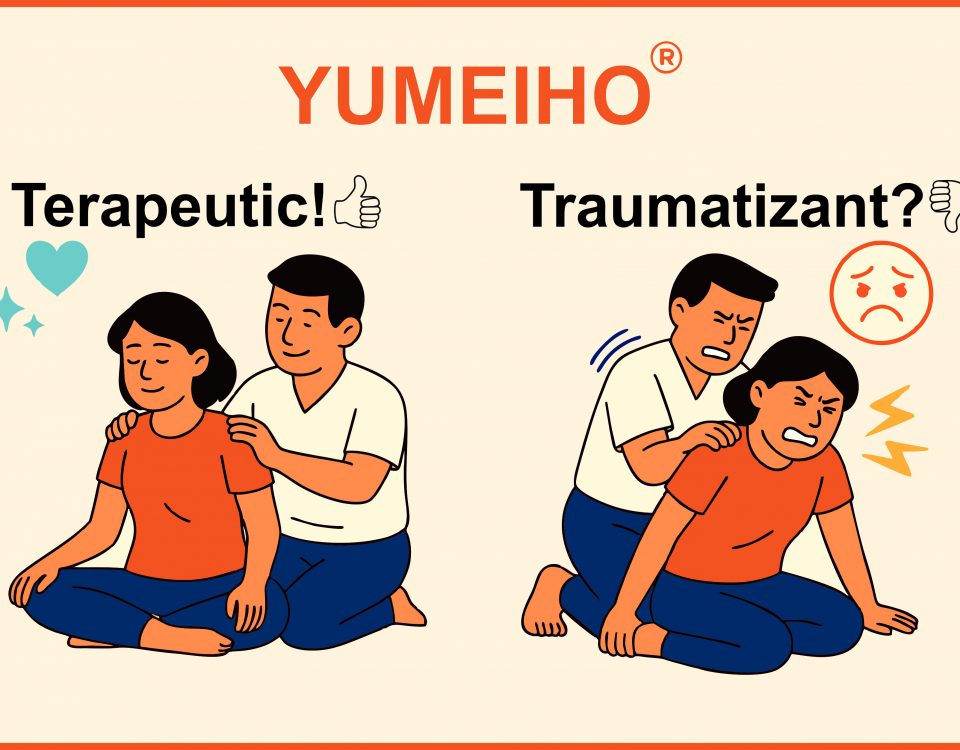
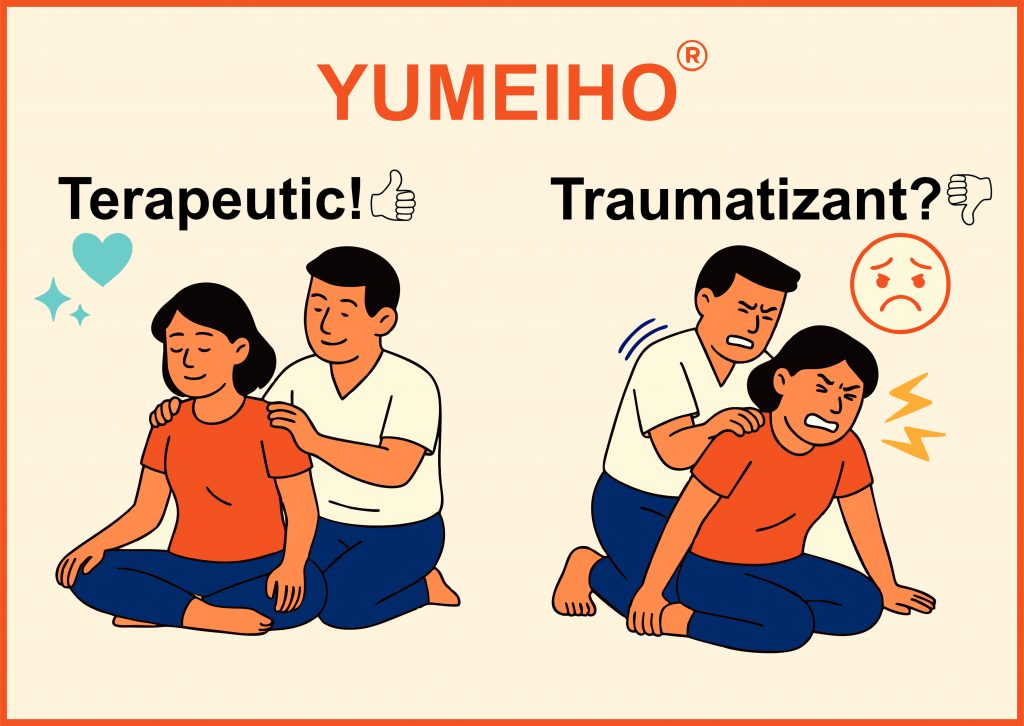
Many people view the term “healing crisis” with reservation. This is normal. There is a lot of confusing information around this concept, and it is sometimes used incorrectly or exaggerated. That is why it is important to explain things simply, rationally, and without wrapping them in unrealistic promises.
Healing crisis is NOT an illness.
Healing crisis is NOT a medical diagnosis.
Healing crisis does NOT mean that “you get sick in order to heal.”
It is simply a term used to describe temporary bodily reactions to change.
*Why the idea is not absurd, even if the term is not medical
The human body functions based on adaptation. It adapts to:
· poor posture
· sedentary lifestyle
· stress
· chronic pain
· lack of movement
· overuse
Even if these states are not healthy, the body learns to live with them. When you intervene and change something, the body has to reorganize itself.
This reorganization can be felt.
A very simple example:
If you have been hunched over for years, your back has gotten used to that position. When you start standing more upright, pain may appear during the first days. This does not mean that standing upright is harmful. It means that your muscles and joints are learning something new.
*Why discomfort appears and not “instant healing”
Many people expect any therapy to produce only immediate relaxation. In reality, the body does not work like an on–off button.
Discomfort appears because:
· stiff muscles are put back into motion
· underused areas are stimulated
· circulation changes
· the nervous system leaves a state of chronic tension
· the body uses more energy for adaptation
All of these are normal physiological processes. They are not signs that “something bad is being removed from the body,” but that the organism is changing the way it functions.
*Logical comparison for skeptics
· Sport after a break: the first workouts hurt, then the body adapts
· Changing the mattress: the first nights can be uncomfortable
· New glasses: headaches can appear during the first days
· Posture correction: tensions initially appear
In all these cases, discomfort does NOT mean that the change is wrong.
*What a healing crisis is NOT
For skeptics, this part is essential.
A healing crisis is NOT:
· severe pain
· progressive worsening
· marked feeling of illness
· fever
· muscle weakness
· persistent numbness
· neurological symptoms
If such signs appear, we are not talking about adaptation, but about a problem that needs medical evaluation.
A responsible therapist will never say:
“It is normal to feel very bad, keep going.”
*Why the term is controversial
The term has been taken over and excessively used, especially in:
· extreme detox practices
· supplements without scientific basis
· aggressively promoted therapies
This is where confusion arises. The problem is not the reaction itself, but how it is explained and used.
The incorrect explanation is:
“Toxins are being eliminated.”
The correct explanation is:
“The body is adapting to a functional change.”
*What a normal, acceptable reaction looks like
A reaction considered normal:
· is mild
· is temporary
· is not frightening
· does not severely limit activity
· improves on its own
Examples:
· fatigue
· mild muscle soreness
· stiffness
· general discomfort
· drowsiness
*The role of communication with the therapist
For a skeptic, communication is the key to trust.
A proper therapist:
· explains what may happen
· does not promise miraculous healing
· adjusts intensity
· takes reactions into account
· recommends a break if needed
· refers to a doctor if warning signs appear
The goal of therapy is not to prove something, but to help the body function better.
*Conclusion for skeptics
You do not need to believe in a “healing crisis” as an abstract concept. It is enough to understand that any real physical change can involve a short adaptation period.
If reactions are:
· mild
· temporary
· decreasing
then the body is adapting.
If reactions are:
· intense
· persistent
· increasing
then it is not adaptation and another explanation must be sought.
Communication with the therapist and understanding the process help greatly in getting through this stage.